
The Invisible Season: Why Middle School Off-Season Training is a Game-Changer

There is a moment every basketball parent knows. The season ends, the last game is played, and life moves on. School, other activities, summer plans. Basketball fades into the background for a few months.
That stretch of time is actually one of the most important windows in your child's development as a player. Not because of pressure or competition, but because of what becomes possible when the schedule opens up.
In-Season and Off-Season Training Are Not the Same Thing
During the season, everything is pointed toward the team. Practice is about execution, preparation for the next opponent, and putting players in the best position to compete. There is not much room to slow down and rebuild something from the ground up. Nor should there be.
The off-season is different. This is when a player gets to focus entirely on their own game. They can spend real time on their handles, develop a go-to finishing move at the basket, clean up their shot mechanics, or work on reading the defense. There is no game on Friday, pushing the agenda. The work can breathe.
That kind of focused, unhurried repetition is what actually builds skill. And it is almost impossible to get during the season.
Why Middle School Is the Window That Matters
Something important is happening in a 12 to 14-year-old's body and brain. Motor patterns are being established. Movement habits are forming. The physical and mental foundations that will carry a player into high school and beyond are being laid right now, whether intentionally or not.
This is pretty exciting. Players at this age are incredibly responsive to good coaching and consistent training. The work they put in now sticks in a way that is harder to replicate later. A player who develops a reliable shot, strong court vision, or a confident handle during middle school carries those tools forward.
The foundation gets built here. Everything after is built on top of it.
How Skill Development Actually Works
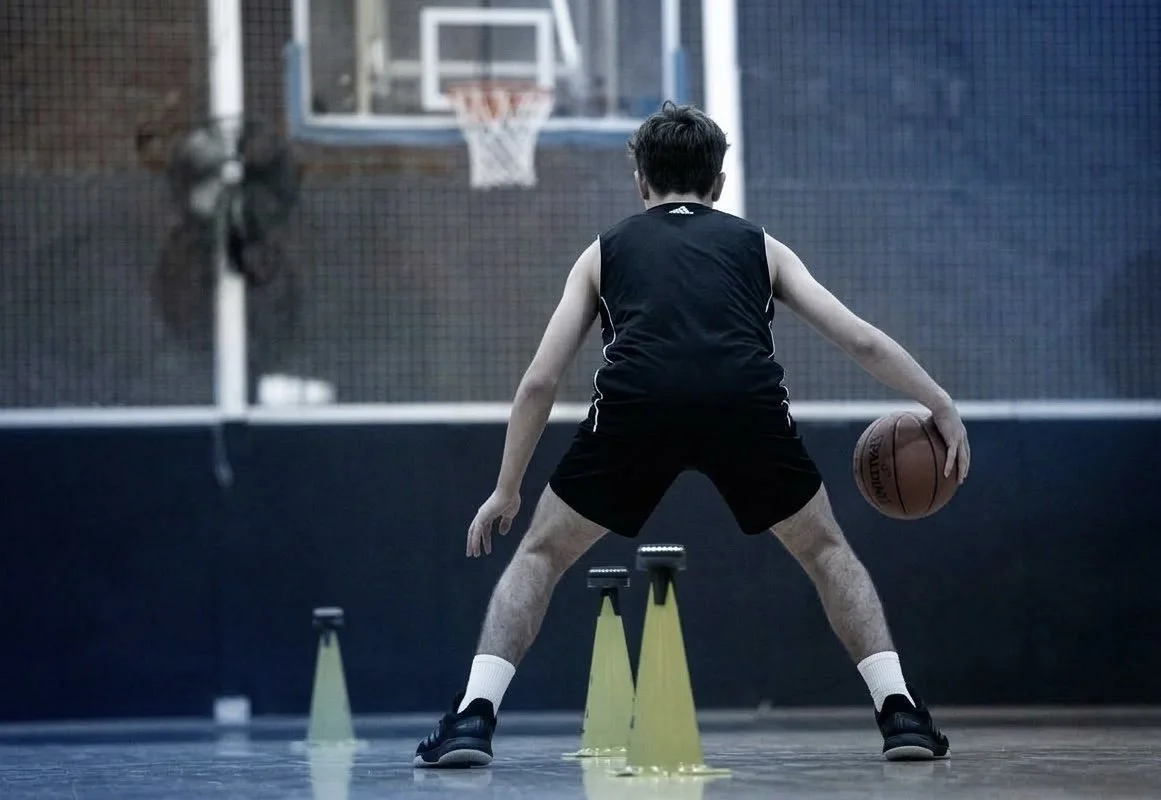
The complex skills of footwork, ball handling, agility, and awareness required to pull off a killer move that fakes out a defender and finish with an acrobatic shot do not come overnight. Each element is developed over time through repetition, and they build on one another throughout a full year of training. Each season adds a new layer. By the time a player who has trained consistently since middle school reaches their senior year, the difference is remarkable.
The crossover that freezes a defender, the floater that drops in over a bigger player, and the ability to make the right pass under pressure are all the result of hundreds of quiet reps in the gym when nobody was watching. The off-season is where those reps happen.
Parents do not always see this part. The highlight is visible. The work behind it usually is not. Off-season training is the work that goes into it.
The Bridge to High School Basketball
High school basketball moves faster, is more physical, and requires a higher level of skill and basketball IQ than middle school. Players who consistently put in offseason work are prepared for this transition. Those who only train during the season often find the jump challenging.
For players aiming to compete at the high school level, the offseason is not optional. It serves as the bridge between where they are now and where they need to be.
More Than Basketball
The benefits of off-season training extend well past the court.
Physically: Build athleticism and coordination through movement habits that serve players in every sport and into adulthood.
Mentally: Learn to focus, receive feedback, and work through frustration—skills that translate directly to the classroom and future careers.
Emotionally: Develop "durable" confidence built through real effort and quiet reps, rather than just praise.
There is a quiet confidence that happens when a young person puts consistent work into something and sees it pay off. Players who train in the off-season tend to show up to the season knowing they put in the work. That feeling is hard to teach any other way.
About the Author
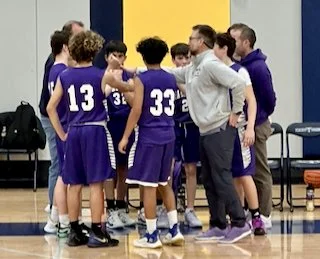
I am Coach Jesse, a movement coach, educator, and basketball coach at Austin Waldorf School. I coach middle school boys basketball and serve as an assistant coach for the JV and Varsity programs. I have run a free weekly basketball clinic for AWS students for over five years with one goal in mind: building players from the ground up. Off-season development is at the center of everything I do.